Silica sand mesh sizes tell you how coarse or fine a sand is. A lower mesh number means bigger grains, and a higher number means finer grains. Picking the wrong one is the most common reason a sandblasting job, a filter bed or a granule batch does not perform as expected.
This guide explains silica sand mesh sizes in plain language and in millimetres, shows where each grade is used, and lists the ex-plant price of every grade we supply. It is written by the team at Attock Gravel Plant, which sieves and grades silica sand at its own plants in Attock and Rustam.
What does mesh size mean?
Mesh is the number of openings in one linear inch of a sieve screen. A 10-mesh screen has 10 openings across one inch, so its openings are fairly large. A 30-mesh screen has 30 openings across the same inch, so its openings are small. Sand is graded by passing it through a stack of screens, and the number of the screen a grain passes or stays on gives the mesh size.
These are the standard sieve openings for the mesh numbers we use:
| Mesh number | Sieve opening (mm) |
|---|---|
| 4 | 4.75 |
| 6 | 3.35 |
| 8 | 2.36 |
| 10 | 2.00 |
| 12 | 1.70 |
| 16 | 1.18 |
| 20 | 0.85 |
| 24 | 0.71 |
| 30 | 0.60 |
Different sieve standards give slightly different openings for the same mesh number. When you write a specification, state the mesh range and the size in millimetres, so supplier and buyer mean the same thing.
Silica sand mesh sizes chart: grain size, uses and price
This chart shows every grade of industrial graded silica sand we supply. Prices are ex-plant per ton, including loading charges, without GST or income tax. Transport is extra, and the minimum order is 20 tons.
| Mesh size | Grain size | Typical uses | Price per ton |
|---|---|---|---|
| 4-8 | 4.75–2.36 mm | Water filtration, domestic borewells, rainwater harvesting, firecracker manufacturing | PKR 6,000 |
| 6-10 | 3.35–2.00 mm | Water filtration, domestic borewells, rainwater harvesting, firecracker manufacturing | PKR 6,000 |
| 8-16 | 2.36–1.18 mm | Sandblasting, filtration, foundry, fertilizer | PKR 6,000 |
| 10-20 | 2.00–0.85 mm | Sandblasting, fertilizer and pesticide granules, filtration | PKR 6,000 |
| 12-24 | 1.70–0.71 mm | Fertilizer and pesticide granules, industrial use, filtration | PKR 6,000 |
| 10-30 | 2.00–0.60 mm | Pesticide granules, fertilizer, chemical and industrial use | PKR 6,000 |
| 16-30 | 1.18–0.60 mm | Pesticide granules, fertilizer | PKR 7,000 |
See the full range on our industrial graded silica sand page, where every grade has its own specifications, photos and FAQ.
How to read a mesh range such as 10-20
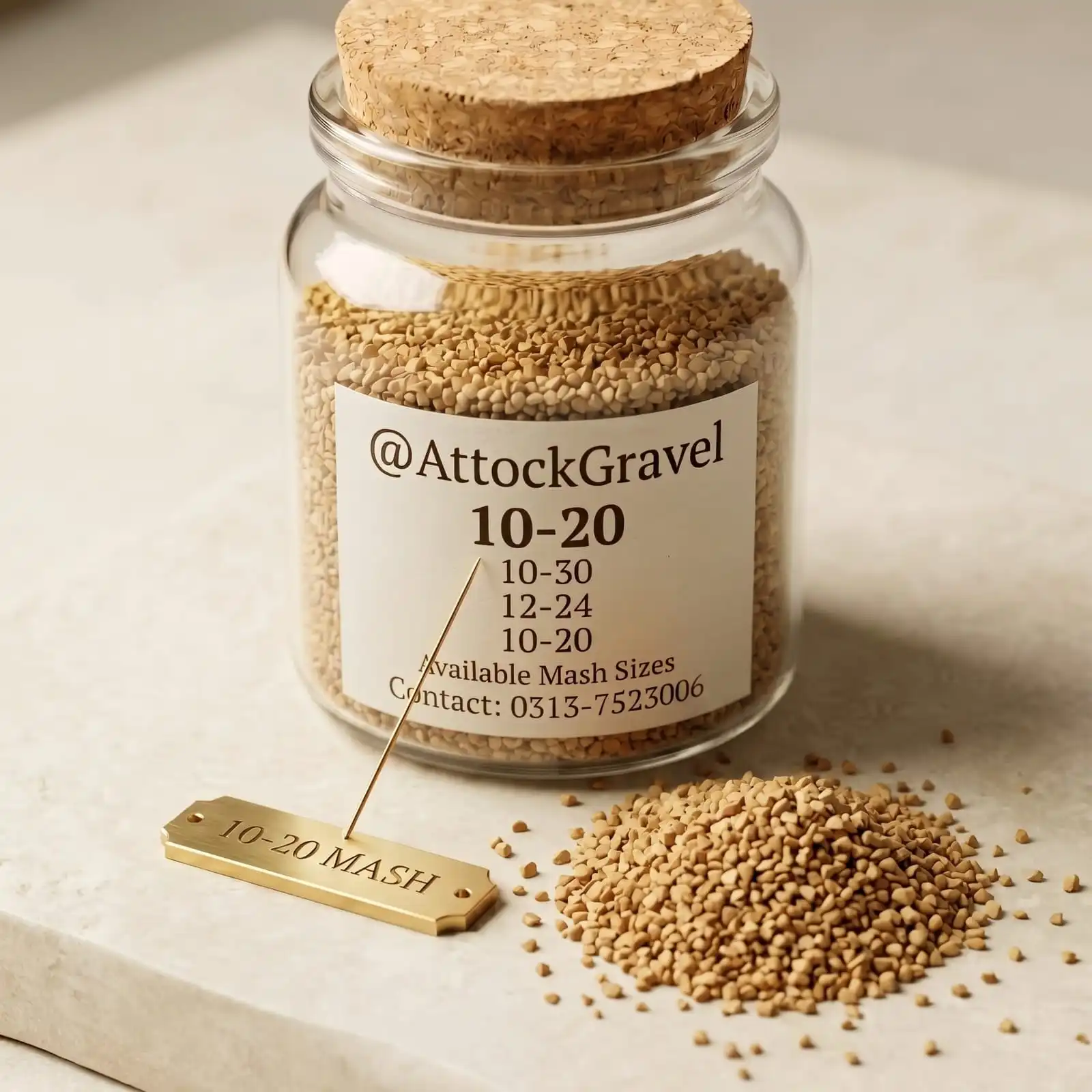
A range has two numbers. In 10-20 mesh, grains pass through the 10-mesh screen (2.00 mm openings) and are held on the 20-mesh screen (0.85 mm openings). So the sand contains grains between 0.85 mm and 2.00 mm. The first number sets the largest grain and the second sets the smallest.
A narrow range, such as 8-16, gives you more uniform grains. A wide range, such as 10-30, mixes medium and fine grains in one product. Neither is better by itself. The right choice depends on what the sand has to do.
Which mesh size for sandblasting?
Sandblasting uses grains as an abrasive, so grain size controls how fast the sand cuts and how rough the surface becomes. Coarser grains remove rust and old coatings faster and leave a rougher surface. Finer grains cut more slowly and leave a smoother finish. We supply two sandblasting grades:
- 8-16 mesh (2.36–1.18 mm): the coarser grade, for heavier cleaning work.
- 10-20 mesh (2.00–0.85 mm): the finer grade, for a smoother surface profile.
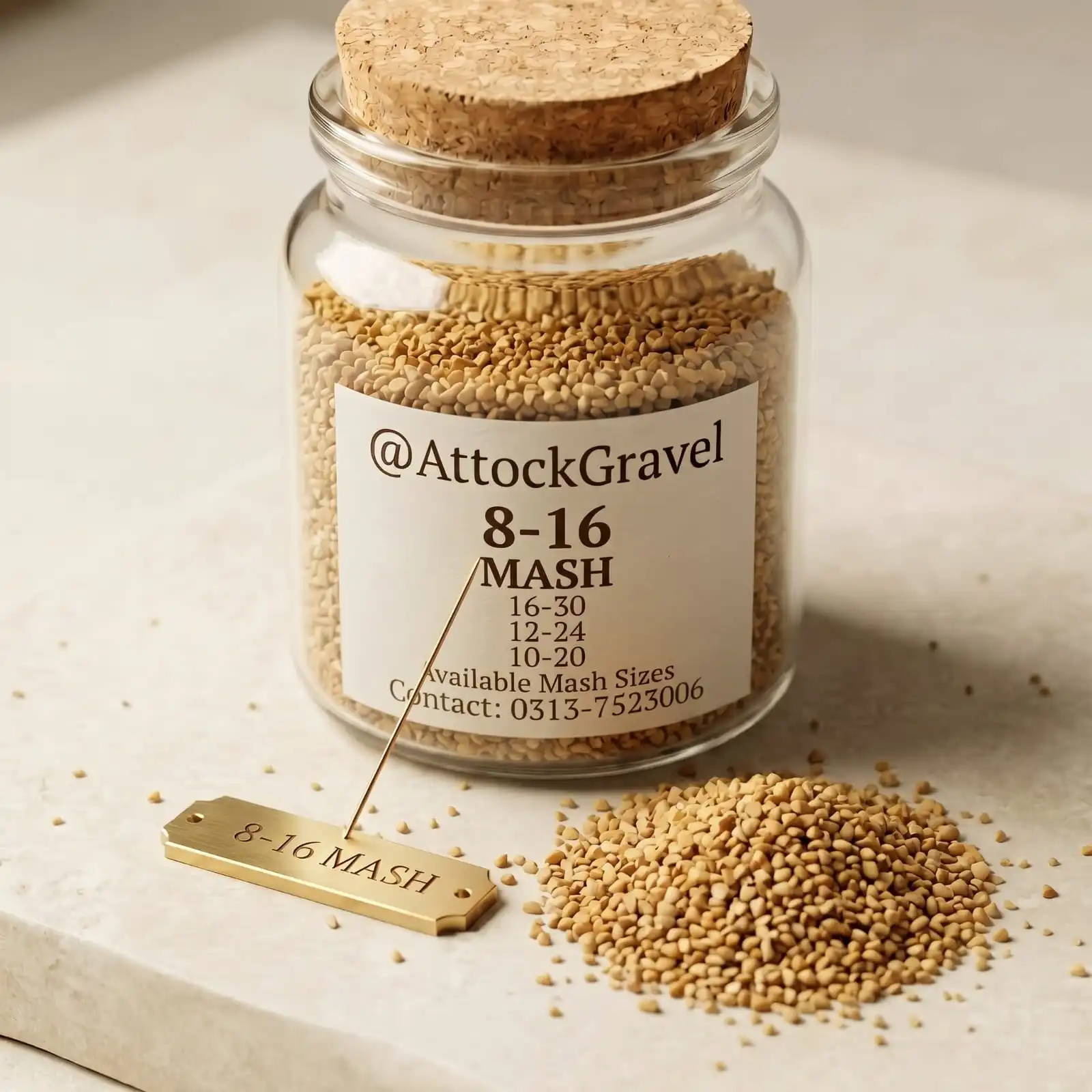
The coating or surface specification of your project decides the final size. If you are unsure, ask us for both grades and test them. You can read the details of 8-16 mesh silica sand or browse our sandblasting sand category.
Which mesh size for water filtration?
Filter beds are normally built in layers. Coarse grains sit at the bottom as a support layer, and finer grains sit above them as the filter media. Coarser silica sand mesh sizes such as 4-8 and 6-10 mesh suit support layers, domestic borewells and rainwater harvesting wells. Medium sizes such as 8-16, 10-20 and 12-24 mesh suit filter media in water and industrial filtration.
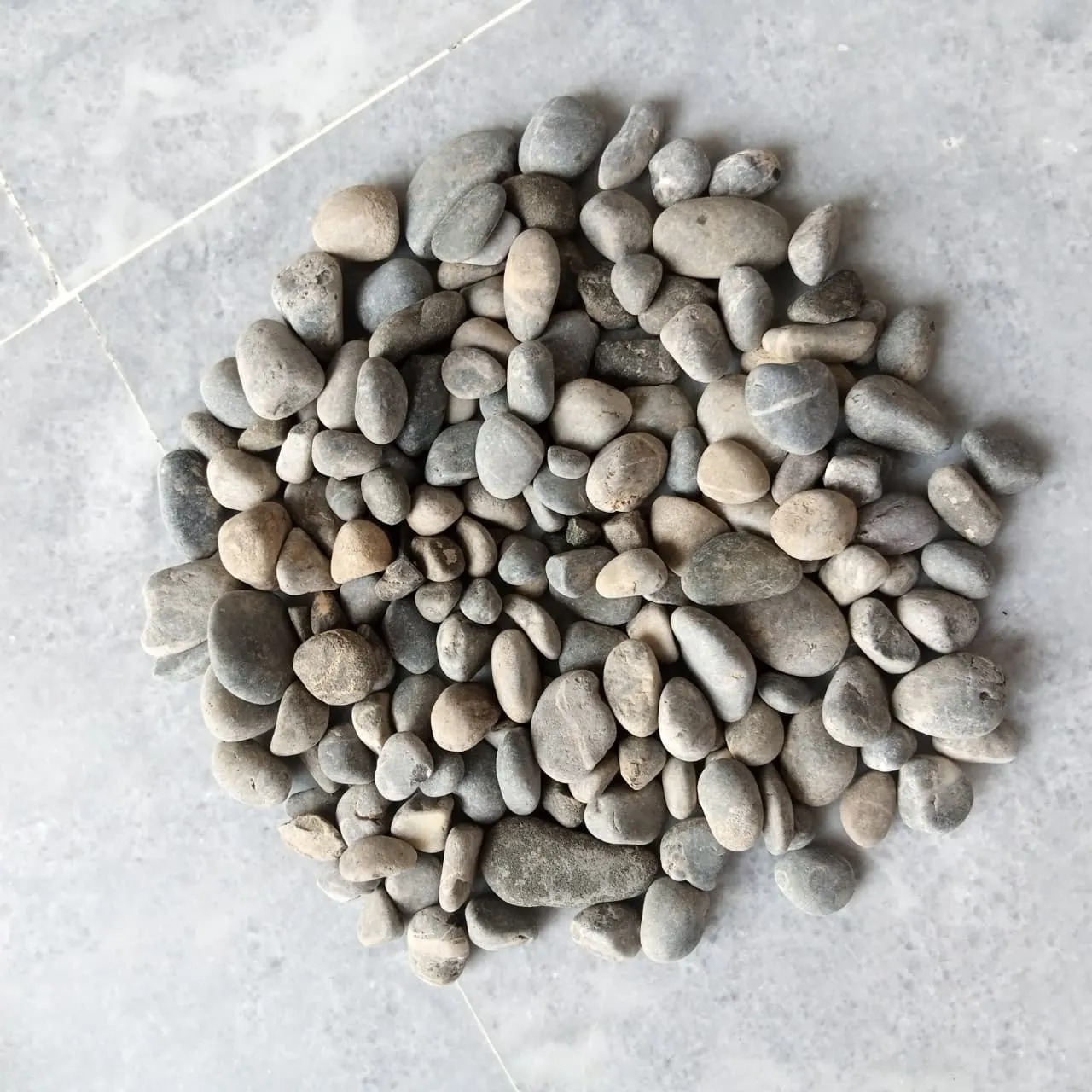
The right layers depend on the water quality, the flow rate and the filter design, so follow your designer’s specification. For packing around a tubewell casing, many borewells use 2-8 mm gravel. Our guide to gravel packing for water boring in Pakistan explains how that size is chosen, and our non-calcareous pea gravel covers the 3-10 mm and 10-20 mm grades.
Which mesh size for fertilizer and pesticide granules?
Granule makers need small, even grains that blend and coat evenly. That is why the finer grades are used here: 10-20, 12-24, 10-30 and 16-30 mesh. Sand also acts as a carrier in pesticide granules, where the chemical is released slowly to control pests. Our 10-30 and 16-30 mesh sand is triple processed, and 16-30 mesh is dust free.
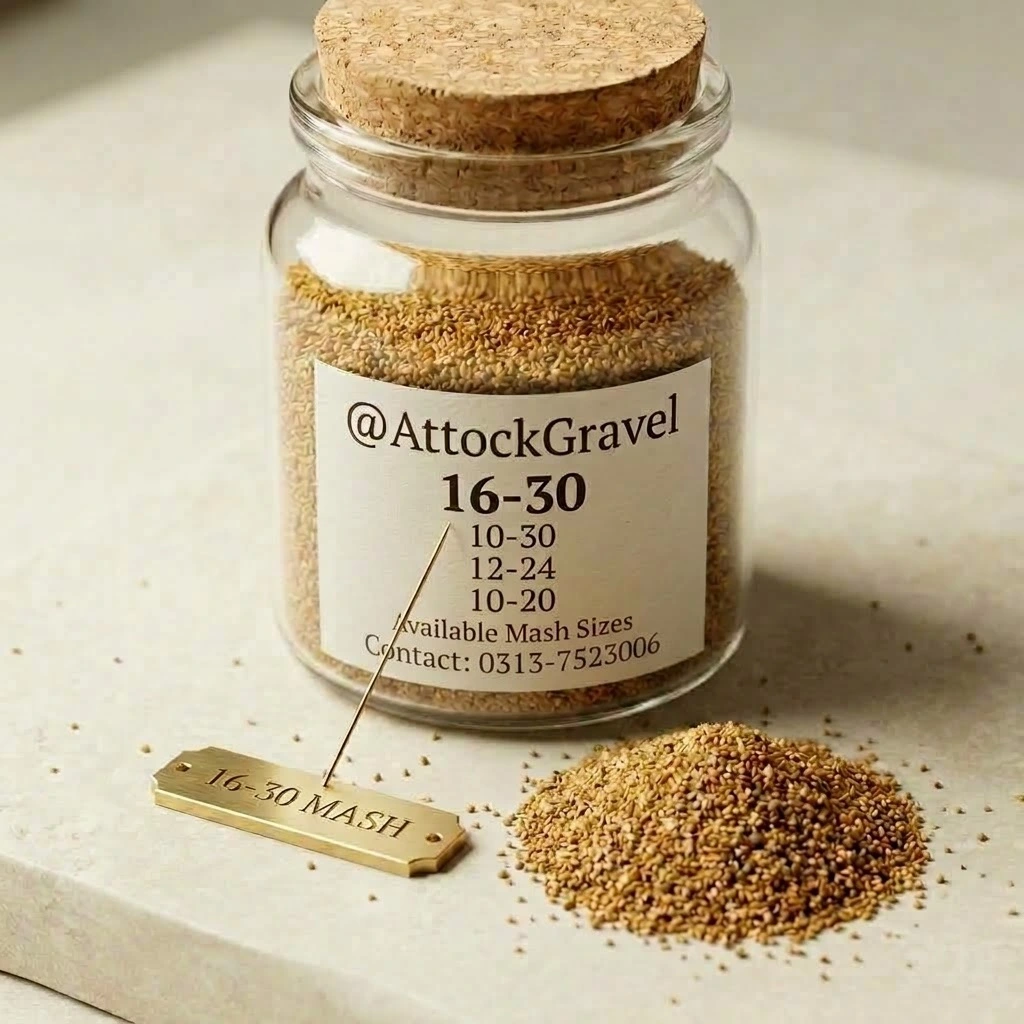
Look at 16-30 mesh silica sand or the full agricultural silica sand range, and send us your process details so we can confirm the grade.
How to choose the right silica sand mesh size
- Name the jobSandblasting, filtration, foundry, fertilizer, pesticide granules or chemical use all lead to different sizes.
- Check the specificationYour engineer, customer or process document may already state a mesh range or a grain size in millimetres. Match that first.
- Match the grain sizeUse the chart above to find the grade that covers the grain size you need.
- Test a sampleAsk for a sample or a laboratory test report, or send a sample to a laboratory of your choice, before you order a full load.
- Order in bulkSend us the mesh size, quantity and delivery city. We reply with a quotation that is valid for 7 days.
Silica sand price in Pakistan by mesh size
Our ex-plant price is PKR 6,000 per ton for every silica sand grade except 16-30 mesh, which is PKR 7,000 per ton. The price includes loading charges and excludes GST, income tax and transport. The minimum order is 20 tons, supplied in bulk and loose with no packing. Final cost depends on quantity, loading and delivery location, and is confirmed in a written quotation.
How we grade our sand
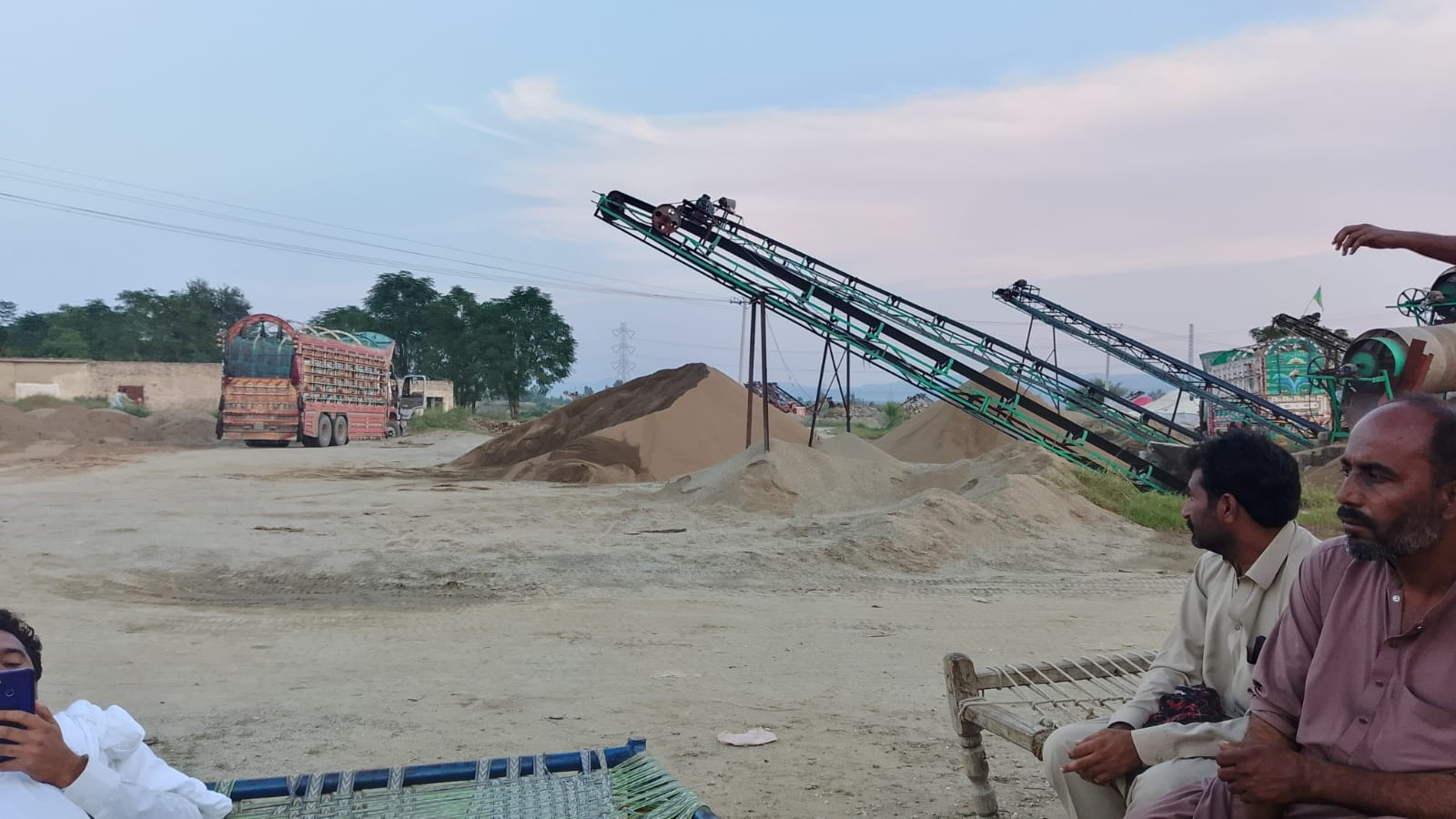
Raw sand from the Lawrencepur silica sand deposit goes into a hopper and travels by conveyor to the grader. Each size is dumped from its own conveyor, and our plant laboratory technicians run basic tests on each batch. Trucks are loaded by loader or conveyor, measured before and after loading, and weighed empty and loaded.
Roman Urdu mein mukhtasar
Mesh size se pata chalta hai ke ret ke zarray kitne mote ya bareek hain. Mesh number jitna chota, zarray utne bade. Sandblasting ke liye 8-16 aur 10-20 mesh, filtration ke liye 4-8 se 12-24 mesh, aur pesticide ya fertilizer granules ke liye 10-20, 12-24, 10-30 aur 16-30 mesh istemal hoti hai. Hamari qeemat ex-plant PKR 6,000 per ton hai (16-30 mesh PKR 7,000), loading shamil, GST aur income tax ke baghair. Kam az kam order 20 ton hai.
Frequently asked questions
What are silica sand mesh sizes?
They describe the grain size of the sand by the sieve screens it passes through and stays on. A lower mesh number means bigger grains, and a higher number means finer grains. For example, 10-20 mesh contains grains between 0.85 mm and 2.00 mm.
Which mesh size is best for sandblasting?
8-16 mesh is the coarser grade for faster cutting, and 10-20 mesh is the finer grade for a smoother surface. Your coating specification decides the final size.
What is the difference between 10-20 and 16-30 mesh silica sand?
10-20 mesh has grains between 0.85 mm and 2.00 mm, and 16-30 mesh has finer grains between 0.60 mm and 1.18 mm. 16-30 mesh is used mostly for pesticide granules and fertilizer, while 10-20 mesh is also used for sandblasting.
What is the price of silica sand per ton in Pakistan?
Our ex-plant price is PKR 6,000 per ton for every grade except 16-30 mesh, which is PKR 7,000 per ton, including loading charges and without GST or income tax. Transport is extra.
What is the minimum order for silica sand?
The minimum order is 20 tons, which can vary with order factors. It is supplied in bulk, loose, with no packing.
Need silica sand in a specific mesh size?
Send us the mesh size, quantity and delivery city and we will prepare a quotation.
Request a Quote View Silica Sand GradesMore from the Knowledge Centre
-
Silica Sand for Sandblasting: Choosing Between 8-16, 10-20 and 30-40 Mesh
Compare 8-16 and 10-20 mesh silica sand for sandblasting: grain size, cutting speed, surface finish, dust…
-
Gravel Packing for Tubewell Construction in Pakistan
Gravel packing for tubewell construction in Pakistan: which borewell packing gravel sizes are used, how to…
-
What Is Non-Calcareous P-Gravel (Bore Wali Bajri)?
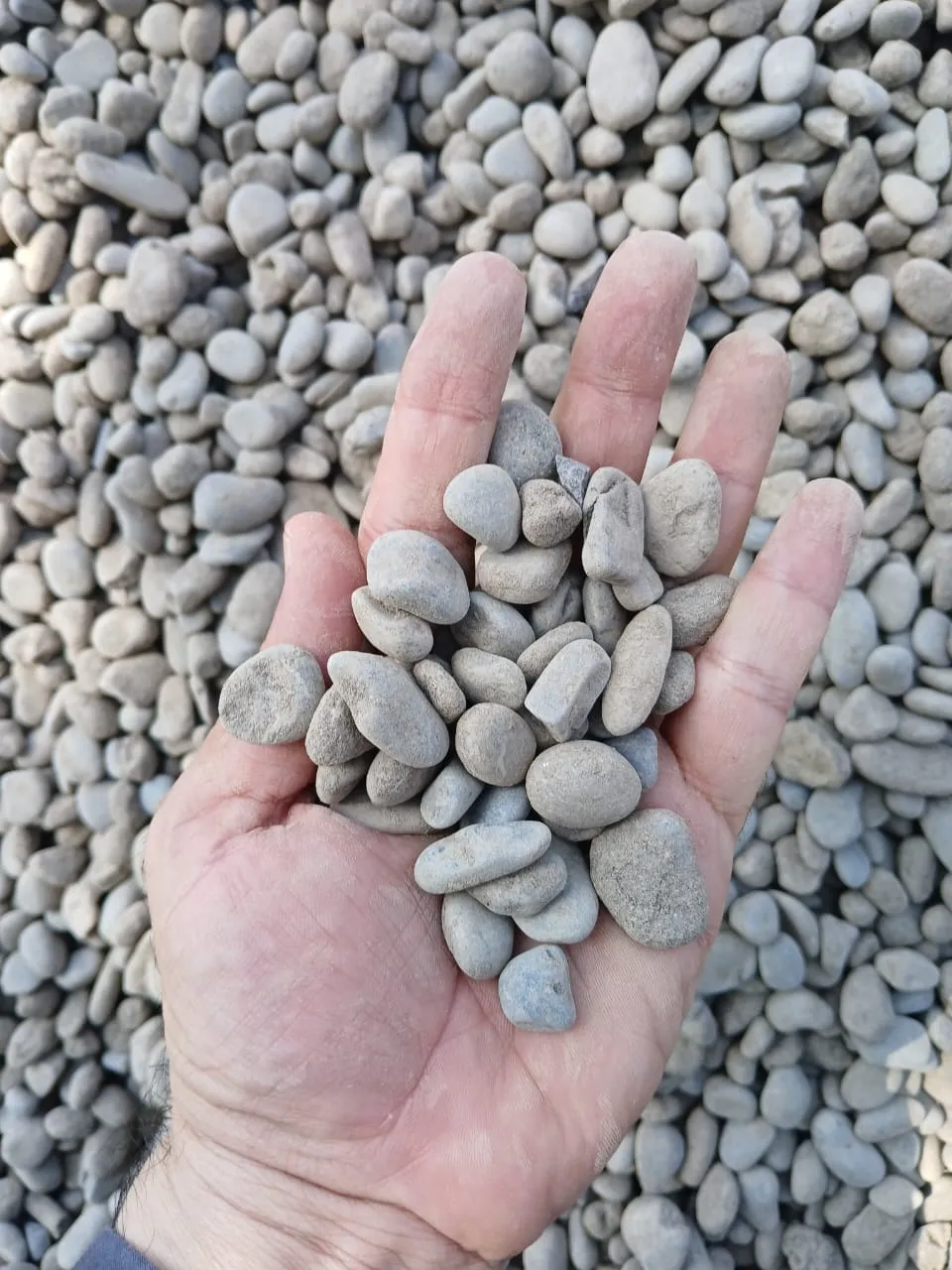
Non-calcareous P-gravel, also called Bore Wali Bajri or borewell packing gravel, is natural silica gravel used…