Silica sand for sandblasting comes in different grain sizes, and the size you pick decides how fast the sand cuts and how rough the surface is afterwards. We supply three sandblasting grades: 8-16 mesh, 10-20 mesh and 30-40 mesh. This guide compares them so you can choose before you order a full truck.
It is written by the team at Attock Gravel Plant, which dries, sieves and grades silica sand at its own plants in Attock and Rustam, and supplies it in bulk across Pakistan.
What does silica sand do in sandblasting?
In sandblasting, compressed air throws hard sand grains at a surface. The grains knock off rust, old paint, scale and dirt, and leave a clean surface that new paint or coating can grip. The sand is an abrasive, so its grain size, hardness and cleanliness all affect the result.
Grain size is the setting you control when you buy. A coarse sand has fewer, heavier grains that hit harder. A fine sand has many lighter grains that clean more gently. If you are new to mesh numbers, read our guide to silica sand mesh sizes first.
8-16 mesh vs 10-20 mesh silica sand for sandblasting
| Property | 8-16 mesh | 10-20 mesh |
|---|---|---|
| Grain size | 2.36–1.18 mm | 2.00–0.85 mm |
| Grade | Coarser | Finer |
| Processing | Double processed | Double processed |
| Typical blasting use | Heavy cleaning, thick rust and old coatings | General cleaning, smoother surface profile |
| Other uses | Filtration, foundry, fertilizer | Fertilizer and pesticide granules, filtration |
| Ex-plant price | PKR 6,000 per ton | PKR 6,000 per ton |
| Minimum order | 20 tons | 20 tons |
Prices include loading charges and exclude GST, income tax and transport. Our finest sandblasting grade, 30-40 mesh (0.60–0.425 mm), is covered below and is also PKR 6,000 per ton.
When to choose 8-16 mesh silica sand
Choose the coarser grade when the job is heavy. Larger grains carry more energy, so they remove thick rust, mill scale and old coatings faster. They also leave a rougher surface, which suits coatings that need a deeper anchor pattern.
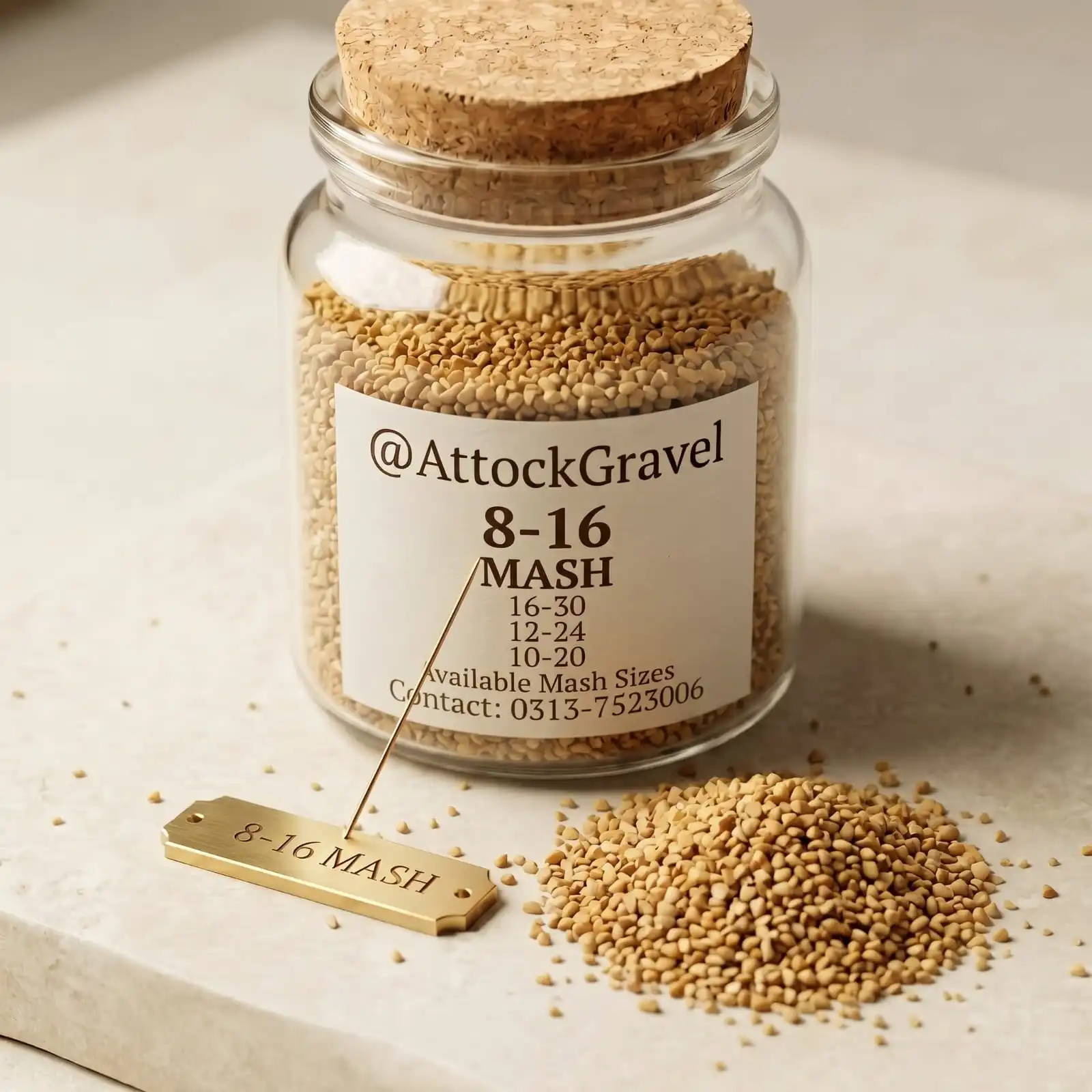
See the full specifications of 8-16 mesh silica sand.
When to choose 10-20 mesh silica sand
Choose the finer grade when you want a smoother result or lighter cleaning. A given weight of finer sand holds more grains, so it covers the surface more evenly and leaves a shallower profile. This suits general cleaning and thinner coatings.
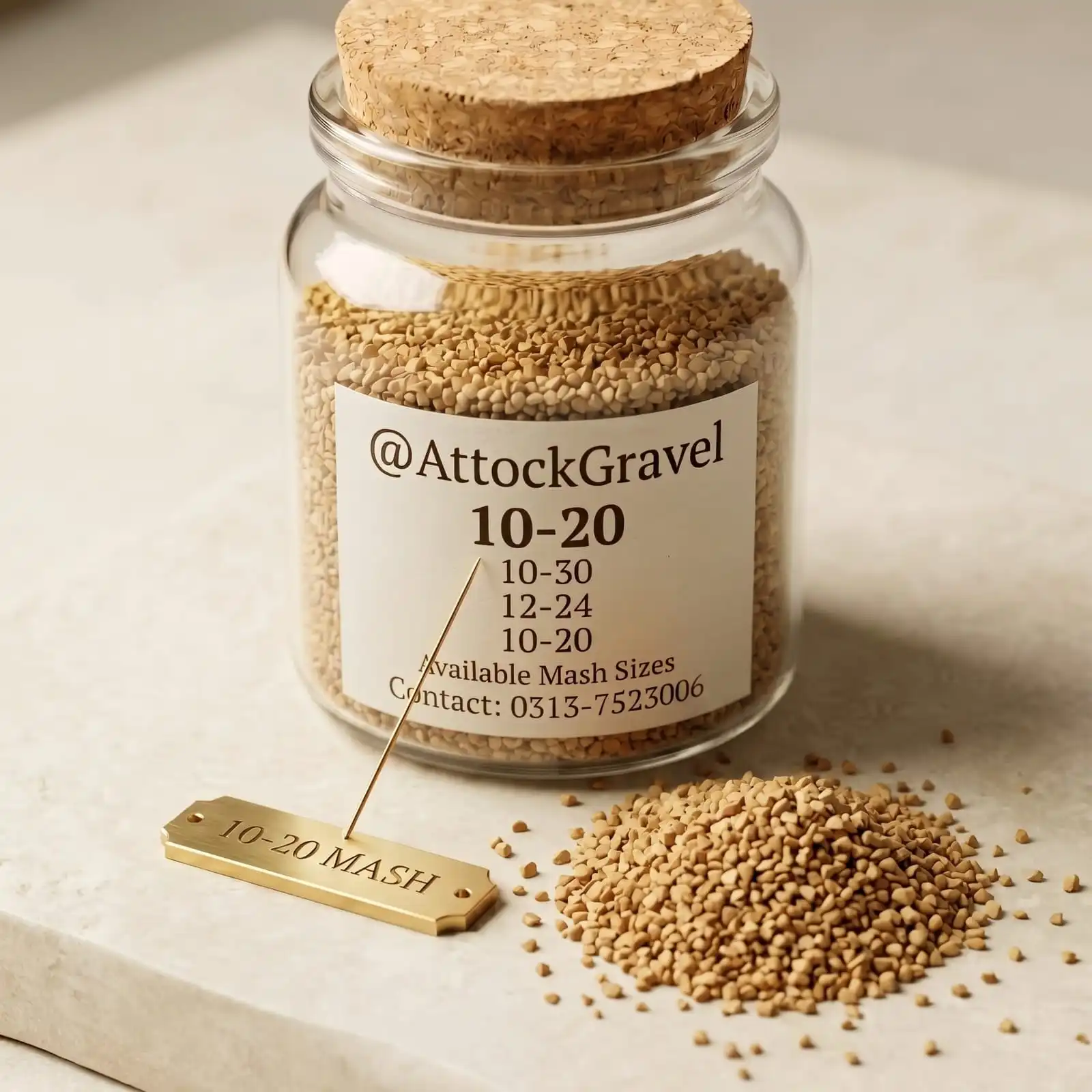
Compare both grades in our sandblasting sand category.
When to choose 30-40 mesh silica sand
Some projects in Pakistan use 30-40 mesh silica sand for sandblasting. At 0.60–0.425 mm it is much finer than 10-20 mesh. Fine grades like this are chosen for delicate surfaces, light cleaning and a very smooth finish, where a coarser sand would be too aggressive.
We supply 30-40 mesh silica sand at the same ex-plant price of PKR 6,000 per ton as our other sandblasting grades. See the specifications of 30-40 mesh silica sand, or tell us your surface and finish on WhatsApp and we will suggest a size.
How grain size affects speed and surface finish
As a general rule, coarser grains cut faster and leave a rougher surface, and finer grains cut more slowly and leave a smoother one. The actual finish also depends on air pressure, nozzle size, distance and angle, the hardness of the surface, and how many times the sand is reused. So the same grade can give different results on different equipment.
Your coating manufacturer or project specification usually states the surface profile it needs. Work backwards from that profile, and test a small area with each grade before you commit to a full order.
Silica dust safety in sandblasting
Dry blasting with silica sand can produce fine dust that contains crystalline silica. Breathing it over time can seriously damage the lungs. Use proper respiratory protection, blast in a ventilated or enclosed area, keep bystanders away, and follow the occupational safety rules that apply to your site. Wet blasting reduces dust, and you should check which method your project allows.
What to check before you buy blasting sand
- Grain size: ask for the mesh range and the size in millimetres, and make sure it is consistent from load to load.
- Dryness: damp sand clogs hoses and feeds unevenly. Our sand is dried and graded.
- Low dust: less loose dust makes handling easier. Our 8-16 mesh sand is double processed and low dust.
- A sample: test it on your own surface, or send it to a laboratory of your choice. You can also ask us for the latest laboratory test report.
- The supplier: ask how the sand is loaded and weighed. Our trucks are measured before and after loading and weighed empty and loaded.
Silica sand for sandblasting: price and supply
Our ex-plant price for all three sandblasting grades is PKR 6,000 per ton, including loading charges and without GST or income tax. Transport is extra. The minimum order is 20 tons, which can vary with order factors. It is supplied in bulk, loose, with no packing, from our plants in Attock and Rustam. We can coordinate independent transporters across Punjab and KPK, or you can collect from the plant. Quotations are valid for 7 days.
Roman Urdu mein mukhtasar
Sandblasting ke liye hamare paas teen grade hain: 8-16 mesh (moti, tez safai), 10-20 mesh (bareek, hamwar satah) aur 30-40 mesh (bohat bareek, nafees safai). Moti ret zyada rust aur purane coating ko jaldi utarti hai, bareek ret halki safai aur smooth surface deti hai. Teeno ki ex-plant qeemat PKR 6,000 per ton hai, loading shamil, GST aur income tax ke baghair. Kam az kam order 20 ton hai. Dry sandblasting mein silica dust nuqsandeh hoti hai, is liye mask aur hawadar jagah zaroori hain.
Frequently asked questions
What is the best silica sand for sandblasting?
It depends on the job. 8-16 mesh is the coarser grade for heavy rust and old coatings, and 10-20 mesh is the finer grade for a smoother surface. Your coating specification decides the final size.
What is the difference between 8-16 and 10-20 mesh silica sand?
8-16 mesh has grains between 1.18 mm and 2.36 mm, and 10-20 mesh has grains between 0.85 mm and 2.00 mm. The 8-16 grade is coarser and cuts faster, and the 10-20 grade is finer and leaves a smoother finish.
How much does silica sand for sandblasting cost in Pakistan?
Our ex-plant price is PKR 6,000 per ton for all three sandblasting grades, including loading charges and without GST or income tax. Transport is extra.
Is silica sand dangerous for sandblasting?
Dry blasting can create dust that contains crystalline silica, which can harm the lungs if breathed over time. Use respiratory protection, ventilation and the safety rules that apply to your site.
Can I use 30-40 mesh silica sand for sandblasting?
Yes. 30-40 mesh silica sand (0.60–0.425 mm) is used in projects that need a fine, smooth finish and gentle cleaning. We supply it at PKR 6,000 per ton ex-plant, the same as our 8-16 and 10-20 mesh grades.
What is the minimum order for sandblasting sand?
The minimum order is 20 tons, which can vary with order factors. It is supplied in bulk, loose, with no packing.
Need silica sand for sandblasting?
Tell us the grade, quantity and delivery city and we will prepare a quotation.
Request a Quote View Sandblasting SandMore from the Knowledge Centre
-
Silica Sand Mesh Sizes Explained: Which Mesh for Sandblasting, Filtration and Granules
A plain-language guide to silica sand mesh sizes: what 4-8, 8-16, 10-20 and 16-30 mesh mean…
-
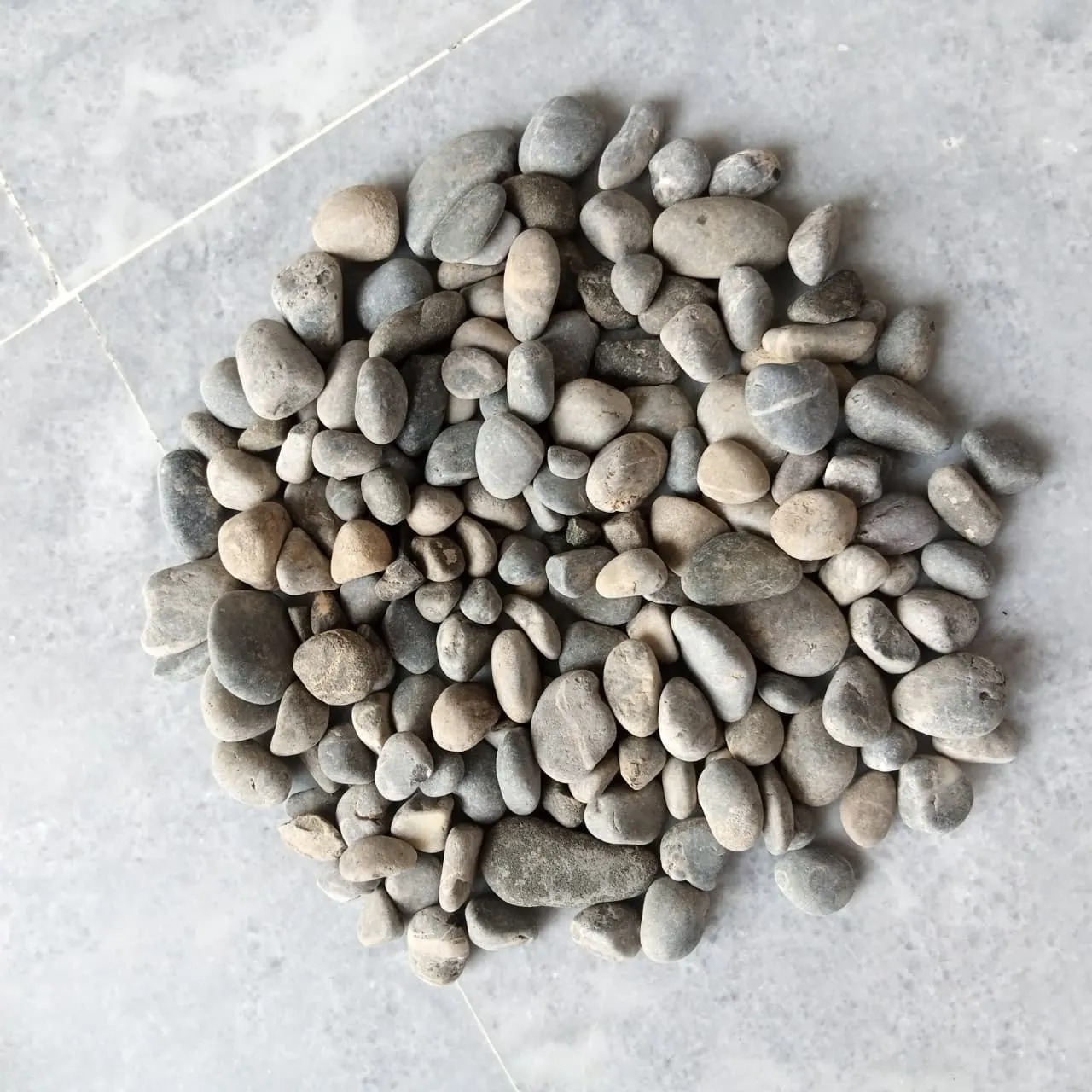
Gravel Packing for Tubewell Construction in Pakistan
Gravel packing for tubewell construction in Pakistan: which borewell packing gravel sizes are used, how to…
-
What Is Non-Calcareous P-Gravel (Bore Wali Bajri)?
Non-calcareous P-gravel, also called Bore Wali Bajri or borewell packing gravel, is natural silica gravel used…